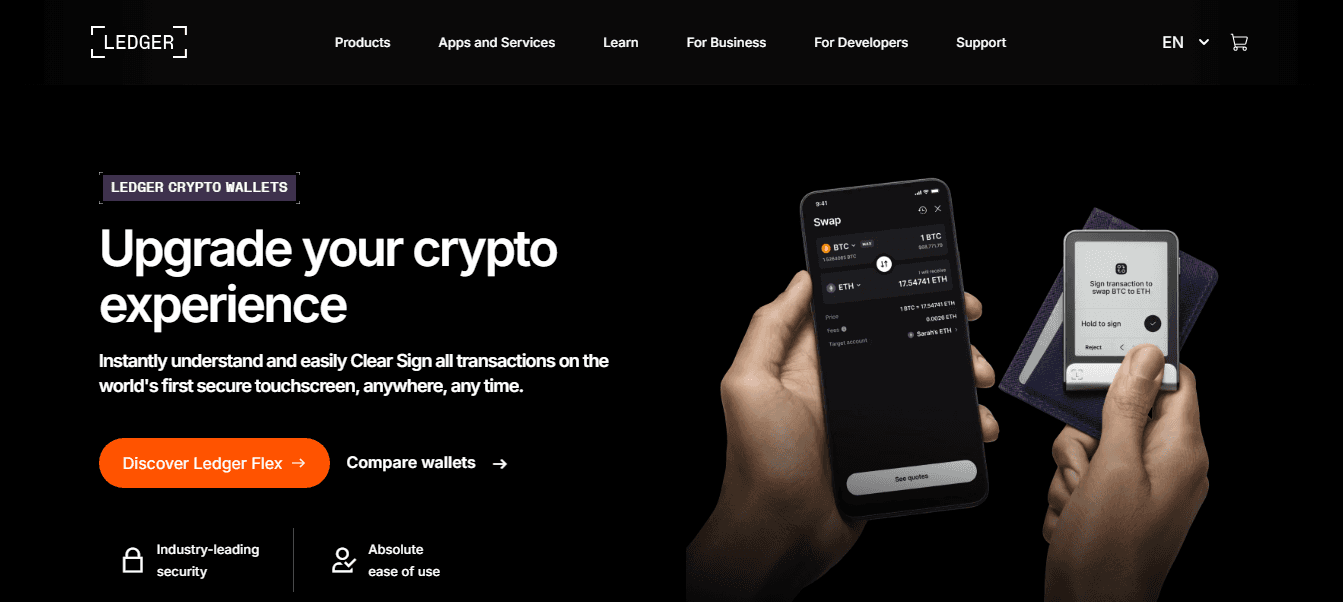
Ledger Live Login: The Complete Guide to Accessing and Securing Your Crypto Wallet
In the world of cryptocurrency, security and convenience are key. Ledger hardware wallets are among the most trusted solutions for storing digital assets securely, combining offline key storage with a user-friendly management platform known as Ledger Live. Whether you are a beginner or an advanced crypto user, understanding Ledger Live login is essential for managing your assets safely and efficiently.
This guide explores Ledger Live login in detail, covering installation, account setup, security measures, troubleshooting, and advanced tips for using Ledger Live effectively.
What Is Ledger Live?
Ledger Live is the official application for managing Ledger hardware wallets, available for both desktop (Windows, macOS, Linux) and mobile (iOS, Android). It allows users to:
Check cryptocurrency balances in real time
Send and receive crypto assets
Manage multiple accounts
Install apps for different cryptocurrencies on the Ledger device
Access Ledger’s ecosystem features like staking, swaps, and more
Ledger Live acts as a secure interface between your Ledger hardware wallet and the blockchain network, ensuring your private keys remain offline while you manage your assets.
Why Ledger Live Login Is Important
Logging into Ledger Live is more than just opening the app—it’s about establishing a secure connection between your Ledger device and the management software. Proper login procedures prevent unauthorized access, phishing attacks, and loss of funds.
Key reasons to understand Ledger Live login include:
Security – Ensures your Ledger device is authenticated and connected properly.
Account Management – Access and manage multiple cryptocurrency accounts safely.
Transaction Verification – Confirms transactions on the device before broadcasting to the blockchain.
Software Updates – Access firmware updates and Ledger Live features securely.
Failing to follow secure login practices can expose your assets to phishing attacks or malware that tries to mimic Ledger Live.
Ledger Wallet Models Supported
Ledger Live supports the following hardware wallets:
Ledger Nano S
Compact, reliable, and affordable
Supports most major cryptocurrencies
Ideal for beginners and casual users
Ledger Nano X
Bluetooth-enabled, mobile-friendly device
Larger storage for cryptocurrency apps
Enhanced features for frequent traders and advanced users
Both devices store private keys offline, meaning Ledger Live only interacts with the device without exposing sensitive data online.
Step-by-Step Ledger Live Login Guide
Logging into Ledger Live requires proper preparation. Here’s a step-by-step process:
Step 1: Download Ledger Live
Visit the official Ledger website: https://www.ledger.com/ledger-live
Download Ledger Live for your operating system (Windows, macOS, Linux, iOS, Android).
Install the application following the provided instructions.
Security Tip: Only download Ledger Live from the official Ledger website to avoid malware or fake apps.
Step 2: Launch Ledger Live
Open Ledger Live on your desktop or mobile device.
You will be prompted to either set up a new device or restore an existing one.
Step 3: Connect Your Ledger Device
Use the supplied USB cable to connect the Ledger Nano S or Nano X to your computer.
For Ledger Nano X, you may also use Bluetooth on mobile devices.
Ledger Live will detect your device automatically.
Step 4: Unlock Your Ledger Device
Enter your PIN code on the Ledger device itself.
The PIN prevents unauthorized access and ensures that Ledger Live only interacts with the authenticated device.
Step 5: Ledger Live Account Setup
In Ledger Live, select “Add Account” to connect your existing cryptocurrency accounts or create new ones.
Ledger Live supports multiple cryptocurrencies, allowing you to manage BTC, ETH, LTC, and many others in a single interface.
Step 6: Firmware and Software Updates
Ledger Live will automatically check for firmware updates for your Ledger device.
Keeping firmware and Ledger Live up to date ensures your wallet has the latest security protections and features.
Step 7: Login Complete
After connecting your device and adding accounts, you are now successfully logged into Ledger Live.
From here, you can manage balances, perform transactions, and explore Ledger Live features safely.
Security Measures During Ledger Live Login
Ledger Live login incorporates multiple security layers to protect your assets:
PIN Protection – Only accessible with your device PIN.
Device Verification – Ledger Live communicates directly with the hardware wallet; private keys never leave the device.
Recovery Phrase Backup – A 24-word recovery phrase stored offline allows wallet recovery in case of loss or theft.
Firmware Integrity Checks – Ledger Live ensures your device runs official firmware only.
Secure Updates – All software and firmware updates are cryptographically verified.
Following these practices ensures that even if your computer is compromised, your private keys and funds remain safe.
Sending and Receiving Cryptocurrency
Once logged in, Ledger Live allows you to securely send and receive crypto assets.
Sending Crypto
Open Ledger Live and select the account to send from.
Click Send and enter the recipient address and amount.
Verify transaction details on your Ledger device.
Confirm to broadcast the transaction.
Receiving Crypto
Click Receive in Ledger Live and select the desired account.
Verify the address on your Ledger device.
Share the confirmed address with the sender.
Important: Always confirm addresses on your Ledger device to prevent malware from altering transactions.
Multi-Account Management
Ledger Live supports multiple accounts across various cryptocurrencies. Key features include:
Portfolio Overview: Track all assets in one place.
Account Segmentation: Separate accounts for personal, business, or trading purposes.
Custom Labels: Name accounts for easier organization.
Real-Time Balance Updates: See your holdings’ current market value.
This feature is particularly useful for users managing multiple wallets or engaging in diverse crypto investments.
Ledger Live Advanced Features
Beyond basic login and transactions, Ledger Live offers several advanced features:
Staking – Earn rewards by staking supported cryptocurrencies like Tezos (XTZ) or Tron (TRX).
Ledger Swap – Exchange one cryptocurrency for another directly within Ledger Live.
Crypto Loans and DeFi Integration – Interact with decentralized finance applications securely.
Custom Transaction Fees – Control speed and cost of transactions.
App Management – Install and uninstall cryptocurrency apps on your Ledger device as needed.
These features make Ledger Live not just a wallet management tool, but a full cryptocurrency ecosystem.
Troubleshooting Ledger Live Login Issues
Even with proper precautions, users may face issues during Ledger Live login. Common problems and solutions include:
Device Not Recognized
Cause: USB or Bluetooth connection issues.
Solution: Try a different cable, USB port, or reconnect Bluetooth on mobile.
Forgotten PIN
Cause: Multiple incorrect attempts.
Solution: Restore wallet using the 24-word recovery phrase.
Ledger Live Crashes or Freezes
Cause: Outdated software or system conflicts.
Solution: Update Ledger Live and firmware; restart the device and computer.
Transaction Failures
Cause: Network congestion or low fees.
Solution: Increase fees or wait for blockchain confirmation.
Mobile Connectivity Issues
Cause: Bluetooth pairing or app compatibility problems.
Solution: Ensure the Ledger Nano X firmware and Ledger Live app are up to date; retry pairing.
Best Practices for Ledger Live Login
To maximize security and prevent loss, follow these best practices:
Always download Ledger Live from the official website.
Keep your Ledger device firmware and Ledger Live software up to date.
Use a strong PIN and enable passphrase protection for additional security.
Store your 24-word recovery phrase offline in a safe, secure location.
Verify every transaction directly on your Ledger device.
Avoid public Wi-Fi or untrusted networks when managing funds.
Separate accounts for different purposes to reduce risk.
Adhering to these practices ensures your Ledger Live login and wallet management remain secure.
Desktop vs Mobile Ledger Live
Desktop Version: Offers full functionality, including advanced portfolio tracking, app management, and Ledger Swap.
Mobile Version: Convenient for on-the-go access, supports Bluetooth for Ledger Nano X, and allows staking and transaction management.
Both versions require the Ledger device for verification, maintaining private key security.
Conclusion
Ledger Live login is a critical step in managing your cryptocurrency securely. By understanding how to connect your Ledger device, authenticate properly, and manage accounts, users can safely navigate the crypto ecosystem.
Key takeaways include:
Ledger Live provides a secure interface for Ledger hardware wallets.
Logging in requires proper device connection, PIN entry, and account setup.
Transactions must always be confirmed on the Ledger device to prevent fraud.
Advanced features like staking, swaps, and app management enhance crypto management.
Following best practices ensures maximum security for your digital assets.
By using Ledger Live correctly, cryptocurrency holders gain full control, security, and convenience in one integrated platform, making it an essential tool for anyone serious about managing crypto safely.